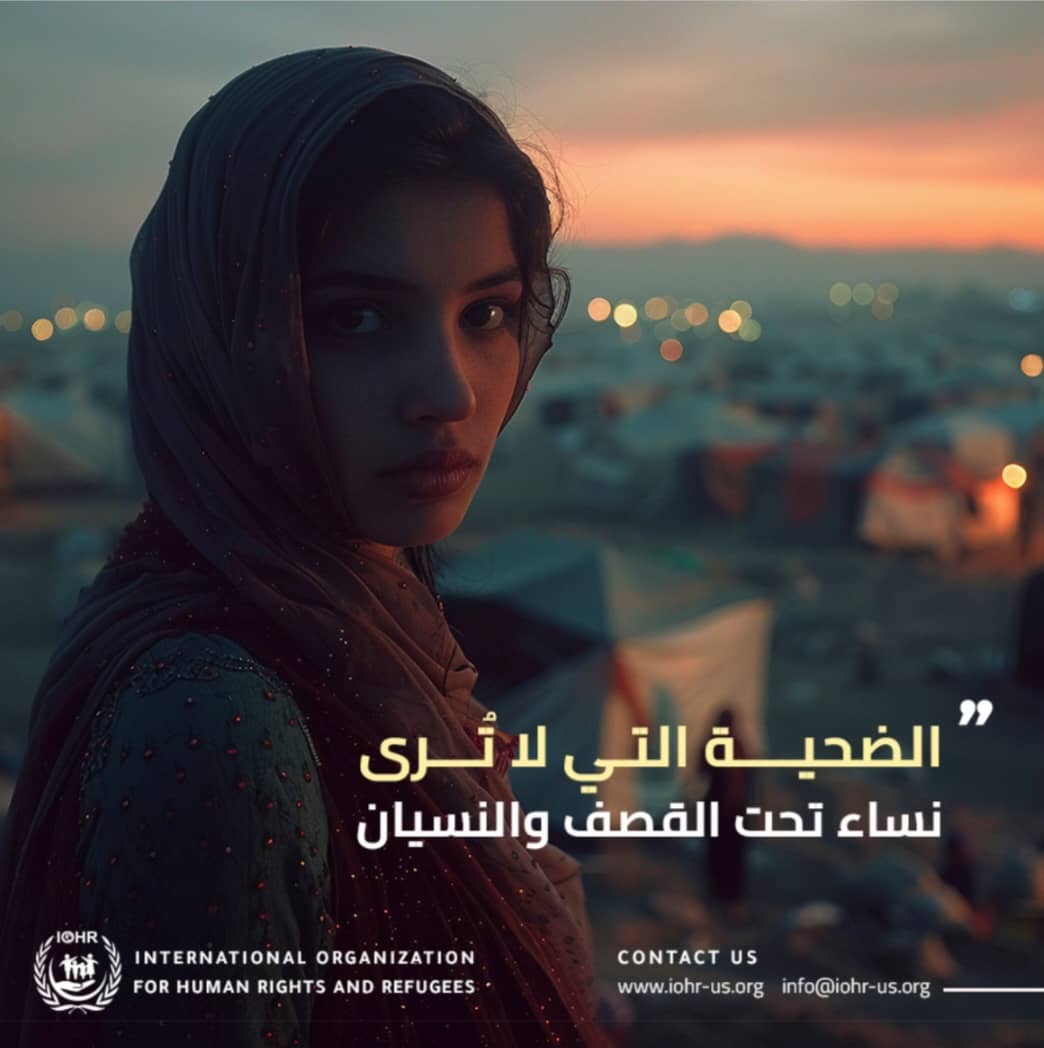
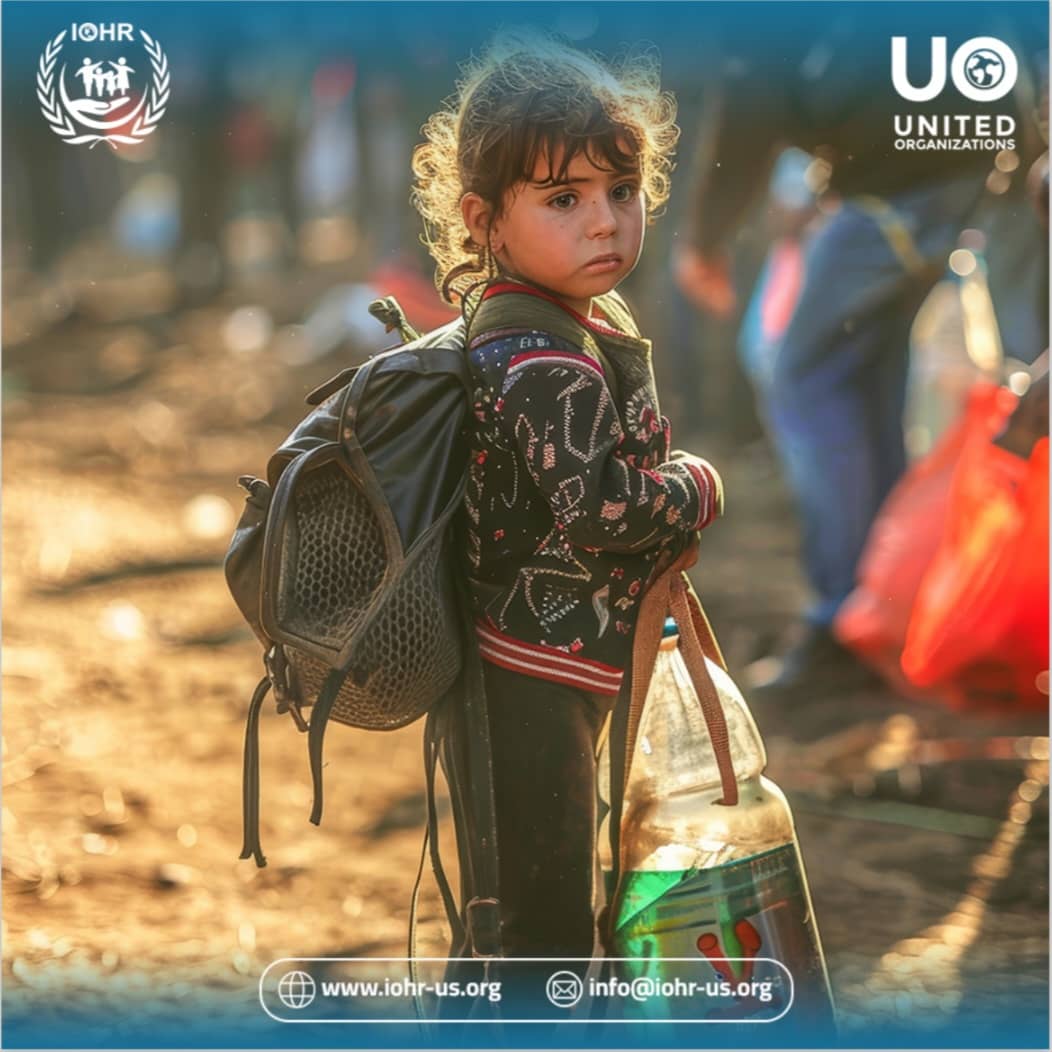
In a world witnessing escalating conflicts and rising rates of displacement and migration, thousands of women face a complex reality where insecurity intersects with the absence of legal recognition. Amid this landscape, a fundamental question arises:
Can a woman lose her right to protection simply because she does not possess official documents?
From the perspective of international human rights law, the answer is clear and unequivocal: fundamental rights—foremost among them the right to protection from violence, exploitation, and threats—are inherent rights that are not contingent upon nationality, legal status, or possession of documentation.
This principle forms a cornerstone of the human rights framework, obligating states and relevant actors to ensure protection for every individual within their jurisdiction.
International legal instruments, including the Universal Declaration of Human Rights, the International Covenant on Civil and Political Rights, and the Convention on the Elimination of All Forms of Discrimination against Women (CEDAW), affirm the principle of non-discrimination, guaranteeing all women the full enjoyment of their rights without exception. These frameworks also stress the responsibility of states to take necessary measures to protect women from violence, including gender-based violence, regardless of their legal status.
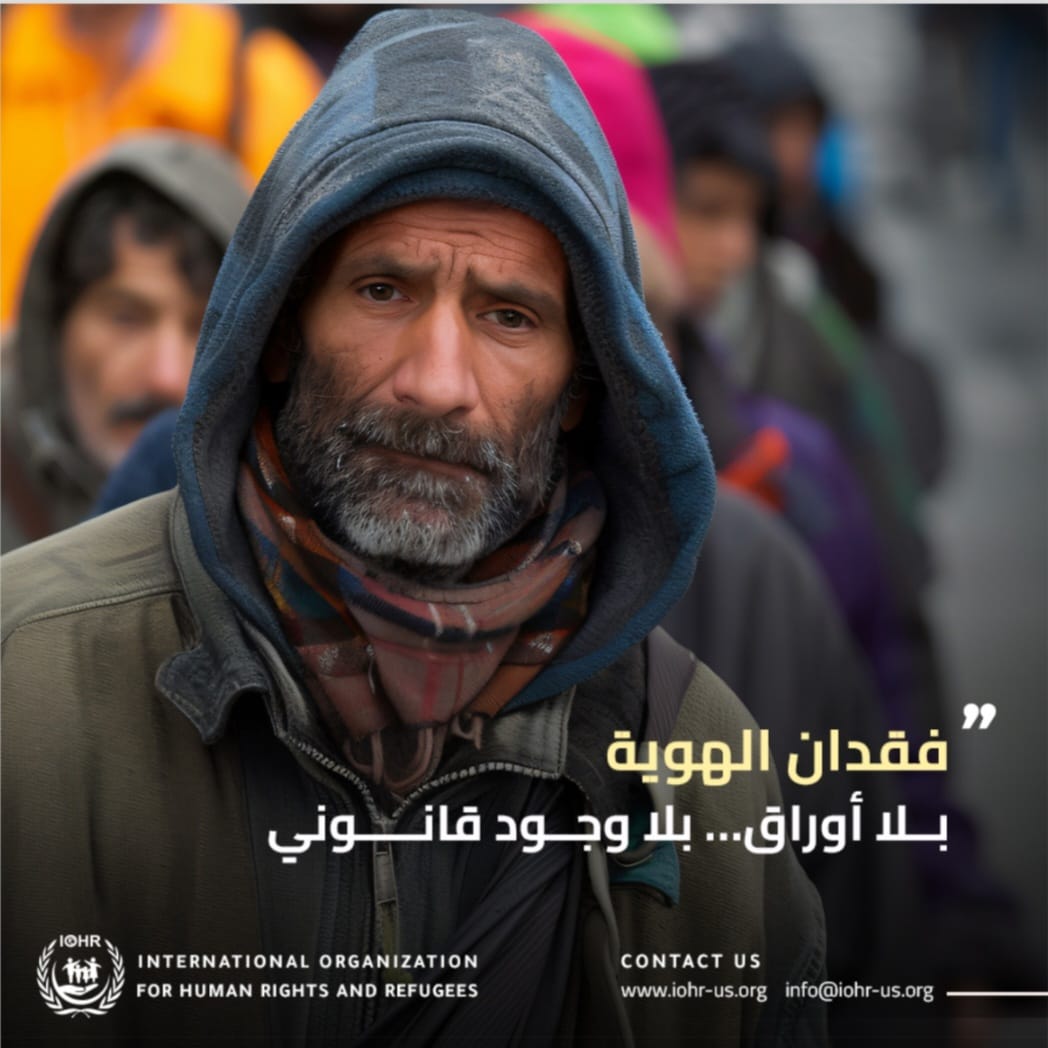
Despite the clarity of these provisions, practical realities reveal a significant gap between legal commitments and actual implementation. Undocumented women, in particular, face compounded challenges, including:
Fear of reporting violations due to the risk of deportation or detention
Limited access to justice due to lack of documentation or legal representation
Increased vulnerability to economic or sexual exploitation due to legal insecurity
Restricted access to essential services, including healthcare and psychosocial support
In this context, the absence of documentation is not merely a legal issue—it is a factor that heightens exposure to violations, necessitating more sensitive and comprehensive responses from relevant actors.
Accordingly, every woman—whether a refugee, displaced, migrant, or undocumented—retains a set of fundamental, non-derogable rights, including:
The right to protection from all forms of gender-based violence
The right to access justice and legal remedies
The right to receive psychosocial and support services
The right to seek protection and assistance without fear of discrimination or punishment
Recognition of these rights alone is insufficient; it must be accompanied by effective implementation mechanisms that ensure safe and dignified access for women.
Within this framework, international and humanitarian organizations play a critical role in bridging the gap between legal norms and practical realities. The International Organization for Human Rights and Refugee Affairs (IOHR) works to develop integrated interventions aimed at empowering women both legally and socially through:
Providing specialized and free legal consultations
Following up individual cases with relevant authorities to ensure protection
Delivering psychosocial support through dedicated programs
Enhancing legal awareness and enabling women to understand and claim their rights
The organization also strives to build partnerships with local and international actors to strengthen protection systems and promote more inclusive policies that address the needs of the most vulnerable women, particularly in conflict-affected settings.
Ensuring women’s protection must not be treated as a privilege tied to documentation, but as an indivisible human right. The absence of papers does not negate human identity, nor does it absolve the international community of its responsibility to protect.
In this regard, the real challenge lies not in proving the existence of rights, but in guaranteeing access to them—an effort that requires political will, institutional coordination, and a human-centered approach that places women’s dignity at the core of response efforts.
In conclusion, protecting undocumented women is not only a legal obligation—it is a true test of the world’s commitment to justice and humanity