When Life Falls with the Shells
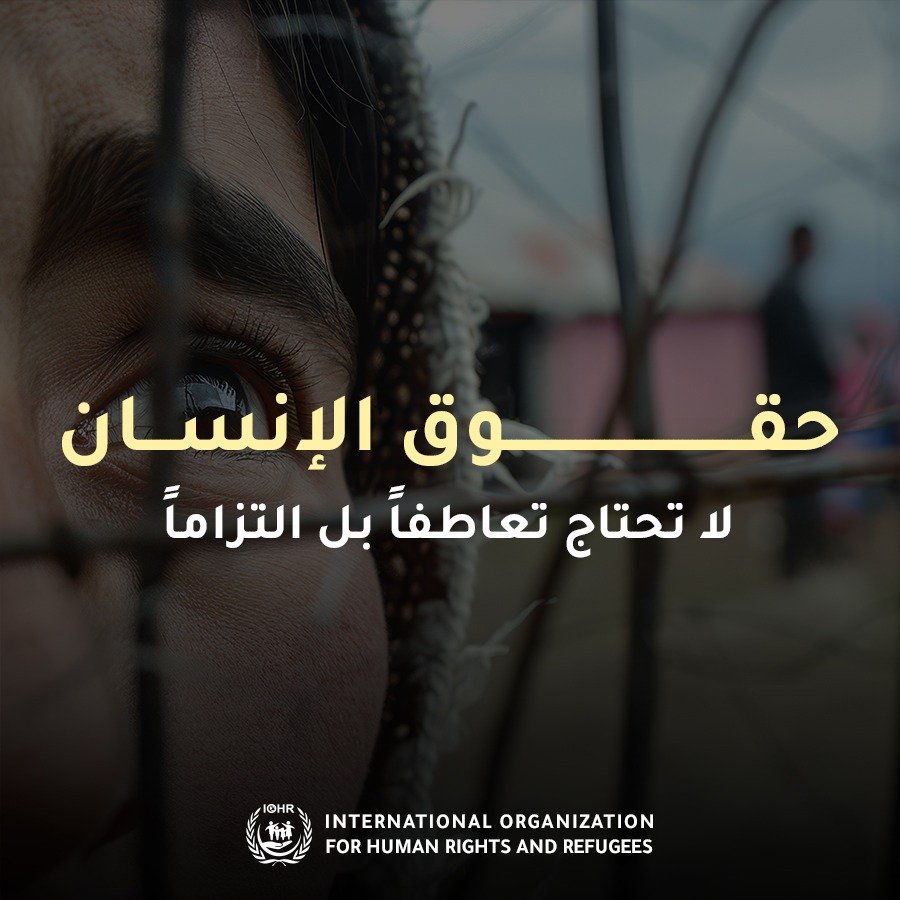
In conflict zones, it is not only shells that fall; the small details of life fall with them—homes, safety, memories, and even names. Too often, women’s stories disappear behind cold numbers and reports, as if prolonged pain becomes invisible. Yet women are not mere statistics; they are beating hearts amid devastation, creators of life from the rubble of war.
A Double Burden and Silent Injustice
In times of conflict, women are not always in the line of fire, but they are always in the line of consequences. They lose a home, a partner, or a sense of security, and are then left to carry what remains alone: families that depend on them, a harsh reality that does not wait, and responsibilities that accumulate in silence. They bear a double burden—visible and invisible—expected to be strong at all times, to remain silent when their voices are discounted, and to hold themselves together when collapse is not permitted. This constant pressure is a form of injustice no less severe than physical danger itself.
Seeking Recognition, Not Survival Alone
Amid this harsh reality, women do not seek survival alone, but recognition of their voices—recognition of their exhaustion, their fear, and the moments of vulnerability they are not allowed to show. The world sometimes watches from a distance, silently asking: How are you still standing? How did you continue to protect your family when nothing was guaranteed? These questions rarely appear in reports, yet they lie at the heart of human suffering.
Education and Care from the Heart of Fragility
In many camps and affected areas, women’s efforts emerge through informal forms of education and care: temporary classrooms, volunteer initiatives, incomplete curricula, and lessons without official recognition. Despite scarce resources, women create stability from fragility, sustain education and care, and shoulder the responsibility of protecting children from psychological and social breakdown.
Deferred Violations and Dignity on Hold
The burden extends beyond the loss of shelter or income to include psychological and social violations, often reduced to vague terms in international justice records. Accountability is frequently postponed, leaving women’s dignity in prolonged waiting—as if the world sees their suffering yet chooses silence.
Justice as a Prerequisite for True Peace
The International Organization for Human Rights and Refugees (IOHR) affirms that protecting women in conflict zones is not a secondary issue, but a fundamental condition for any genuine peace. Documenting violations, ensuring women’s voices are present in pathways of justice and accountability, and providing psychological and social support are indispensable elements of a just and humane peace.
The Danger of Becoming Accustomed to Pain
The real tragedy lies not only in the pain women endure, but in the world’s habituation to it. When suffering becomes a recurring scene that no longer stirs conscience, we all lose a part of our humanity. Women in conflict zones are not mere shadows of events; they are their beating heart. Without recognizing them, protecting them, and listening to their voices, peace will remain incomplete—no matter how many agreements are signed or headlines change.
Women’s Voices as the Foundation of Justice and Humanity
Listening to women, empowering them, and bringing their stories to the world is neither a luxury nor a secondary option; it is the first step toward a more just and humane world. Every lost voice is a piece of humanity gone, and every story reduced is a life withheld from history.
Conclusion
Speaking about women in conflict zones is not merely recounting suffering; it is an open call to rethink justice and humanity. Their voices are not margins to be overlooked, but the essence of any true peace. Recognizing women, protecting their rights, and enabling their meaningful participation in justice processes is the only path toward a more equitable future.
Respecting and documenting women’s stories is a respect for our shared humanity—because every voice heard is a step toward a world that excludes no one, and every story told is a bridge between pain and hope. Without such recognition, peace will remain incomplete, regardless of changing headlines.
In this spirit, a collective responsibility is placed before the world: to listen, to protect, and to ensure that women in conflict zones are not silent witnesses, but essential partners in shaping justice and peace.