In many modern workplaces, exploitation no longer appears only in its traditional and obvious forms, such as reducing wages or denying legal rights. A more complex and dangerous form has emerged, known as “hidden exploitation.”
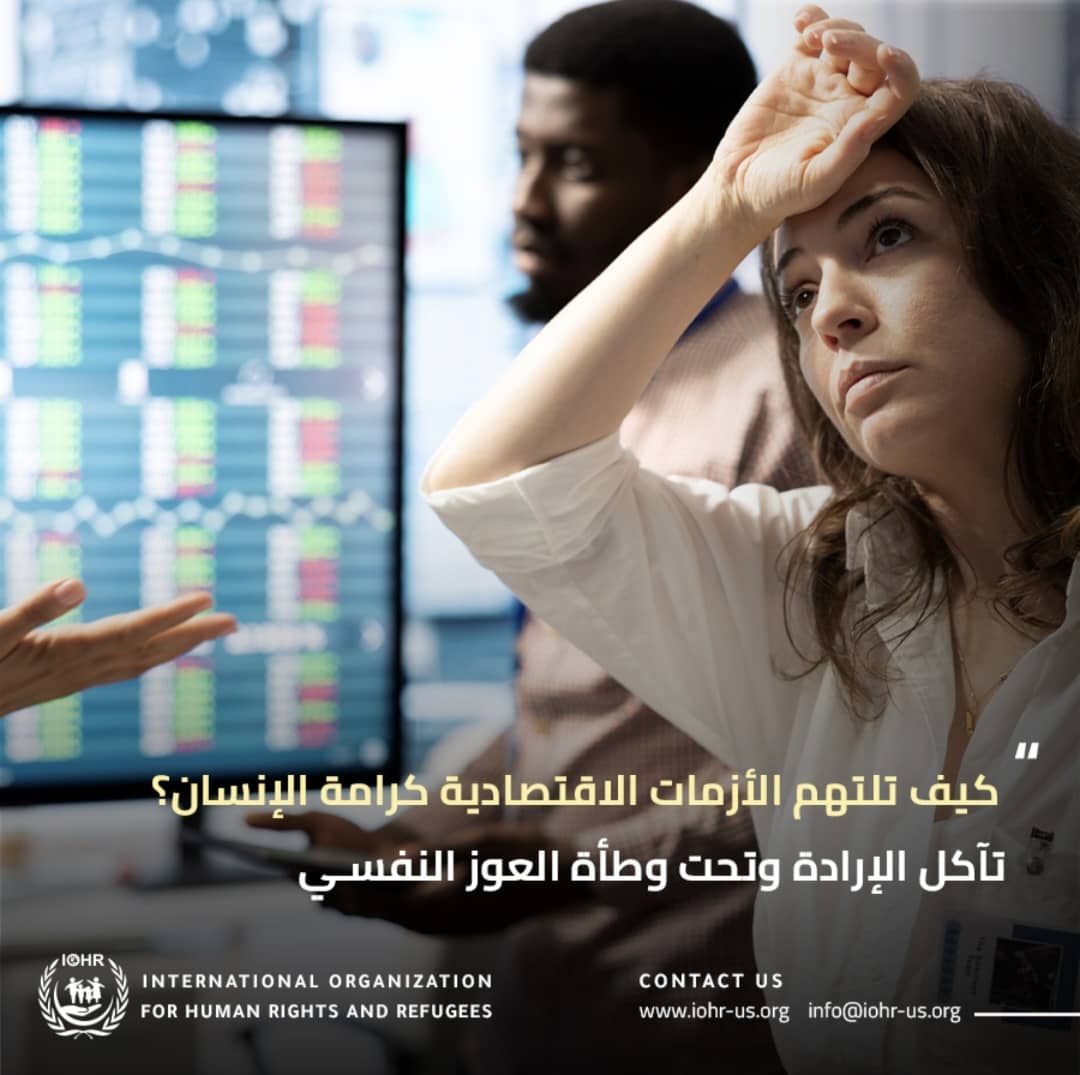
It refers to practices imposed on employees indirectly, placing them under continuous psychological or professional pressure without a clear violation that can easily be proven.
This type of exploitation can occur in large corporations, small businesses, organizations, and even in digital or remote work environments. It is often presented under seemingly positive terms such as “commitment,” “team spirit,” or “taking responsibility,” while concealing long-term psychological and professional exhaustion.
What is Hidden Exploitation?
Hidden exploitation refers to any practice that exhausts employees or undermines their rights indirectly, without an official declaration or obvious legal violation, yet negatively impacts their mental health, stability, and professional dignity.
It may include:
Assigning extra tasks without compensation.
Pressuring employees to work long hours outside official schedules.
Psychological manipulation under the excuse of “professional development.”
Creating a culture of fear that discourages objections.
Indirect threats of job loss.
Ignoring or constantly minimizing achievements.
Demanding absolute loyalty to the institution at the expense of personal life.
How Does Hidden Exploitation Begin?
Hidden exploitation rarely starts in a shocking way; it usually develops gradually.
At first, the employee may be asked for “a small favor,” which later becomes a permanent obligation. Employees are encouraged to sacrifice their comfort “for the sake of the team,” until sacrifice itself becomes a measure of loyalty.
Over time, workers may begin to feel guilty for demanding their basic right to rest or psychological balance. The most dangerous aspect is that victims sometimes fail to realize they are being exploited because they believe such treatment is a normal part of professional life.
Main Forms of Hidden Exploitation in Workplaces
1. Psychological Exhaustion
One of the most dangerous forms, where employees live under constant pressure, fear of mistakes, and continuous monitoring, leading to mental burnout and loss of motivation.
2. Unpaid Labor
Such as requiring employees to stay after working hours or respond to messages and meetings outside official work time without compensation.
3. Emotional Manipulation
Some management teams use phrases like:
“We are one family.”
“A loyal employee never refuses.”
“If you truly care about the company, you will stay.”
These statements may be used to pressure employees into sacrificing their rights without objection.
4. Professional Marginalization
Preventing employees from promotion opportunities or ignoring their opinions and achievements in order to keep them in a weaker position.
5. Silent Intimidation
Making employees feel that any objection could harm their career future or professional reputation.
Why Do Employees Remain Silent?
There are several reasons why victims choose silence, including:
Fear of losing their jobs.
Financial need.
Weak labor laws or difficulty enforcing them.
Fear of administrative retaliation.
Lack of psychological or legal support.
Treating suffering as “normal.”
In some cases, employees feel powerless after years of continuous pressure.
The Role of Laws and Human Rights
Many international agreements recognize a safe work environment as a fundamental human right, not merely an administrative privilege.
Basic worker rights include:
Fair working hours.
Fair wages.
A workplace free from humiliation and bullying.
The right to rest and leave.
Protection from exploitation and discrimination.
However, the real issue is often not the absence of laws, but weak enforcement and employees’ fear of using them.
How Can Hidden Exploitation Be Addressed?
At the Individual Level:
Document workplace violations.
Set clear boundaries between work and personal life.
Seek legal or psychological support when necessary.
Avoid normalizing constant exhaustion.
At the Institutional Level:
Build a culture of respect rather than fear.
Create safe complaint systems.
Monitor employees’ mental health.
Ensure fair and transparent performance evaluations.
At the Societal Level:
Raise awareness about workers’ rights.
Support stronger labor regulations.
Encourage a healthy work-life balance culture.
Conclusion
Hidden exploitation is not merely temporary work pressure; it is a growing human issue that can silently destroy individuals while they sit behind their desks every day.
True professional success is not built on exhausting people, but on creating work environments that respect human dignity before productivity. In a rapidly changing world, workers’ dignity and their right to a safe and balanced workplace remain the foundation of every successful and sustainable institution.