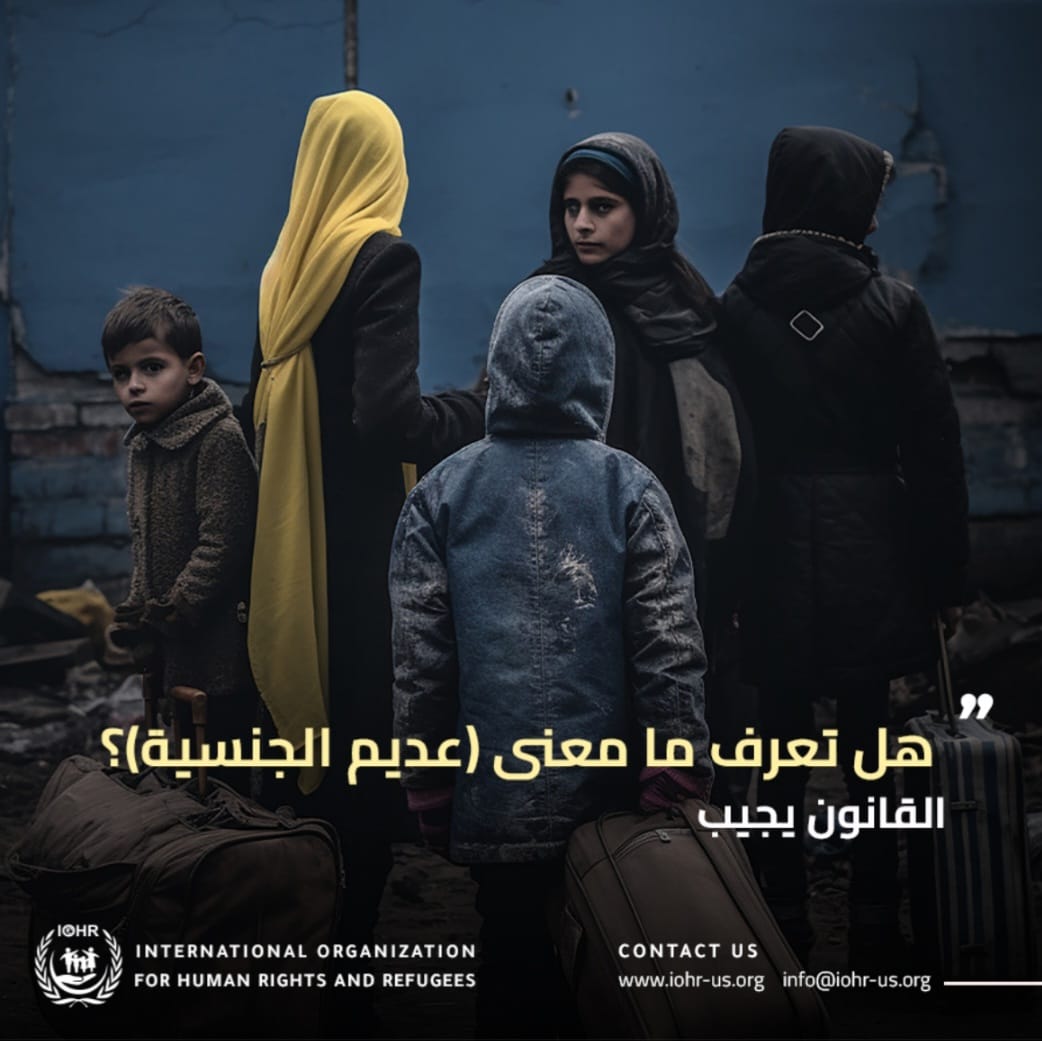
In the images that quickly flash across news screens, displacement sometimes appears as nothing more than a move from one place to another… but in reality, it is a long journey of fear, uncertainty, and waiting that can stretch on for years.
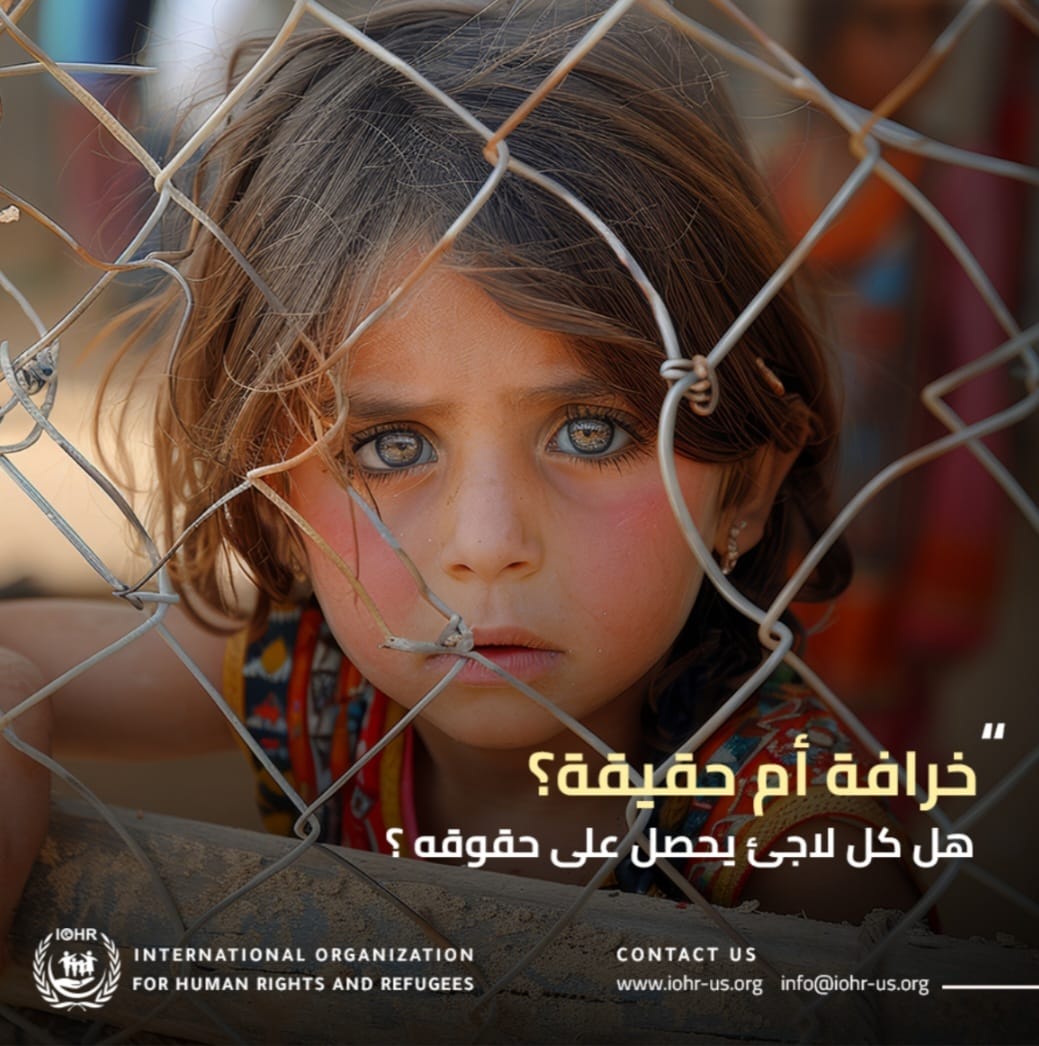
This little girl standing behind the fence does not represent just a single case; rather, she encapsulates the reality of millions of refugees worldwide—those who have lost their homes, their safety, and their natural right to a stable life due to wars, conflicts, or persecution.
Although international laws stipulate the protection of refugees and the guarantee of their basic rights, the human reality reveals a wide gap between the texts and their application. Many refugees still face real difficulties in accessing education, healthcare, safe housing, and even humane treatment that preserves their dignity.
The issue is not only about humanitarian aid, but also about the persistent feeling that life has become temporary, and that the future is suspended behind borders, wires, and endless bureaucratic procedures.
Children are the most affected by these circumstances, as they grow up in environments filled with fear, deprivation, and psychological and social instability. Some learn the meaning of displacement before learning to read, and experience anxiety before living a natural childhood.
The real tragedy is not only the scale of the suffering, but the world growing accustomed to it. As images and scenes repeat, human tragedies gradually turn into “statistics” or “passing news,” while their effects remain real and deep in the lives of those who live through them every day.
This is why IOHR continues its efforts in supporting humanitarian causes and defending the rights of refugees, by raising awareness, shedding light on human rights violations, and promoting a culture of dignity, justice, and human rights for all without discrimination.
The most important question remains: Has the world come to see the suffering of refugees as a real humanitarian crisis that must be resolved… or just a scene it has grown used to watching?