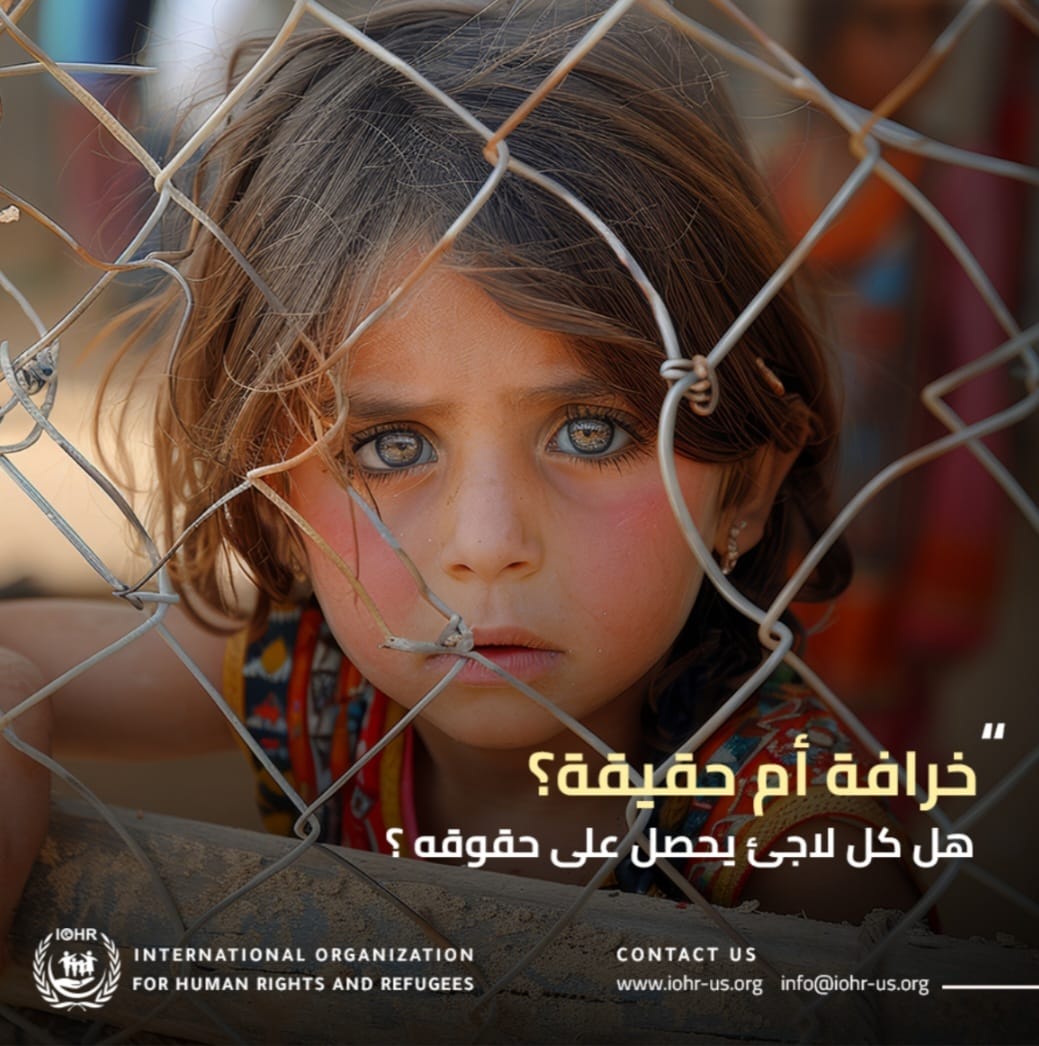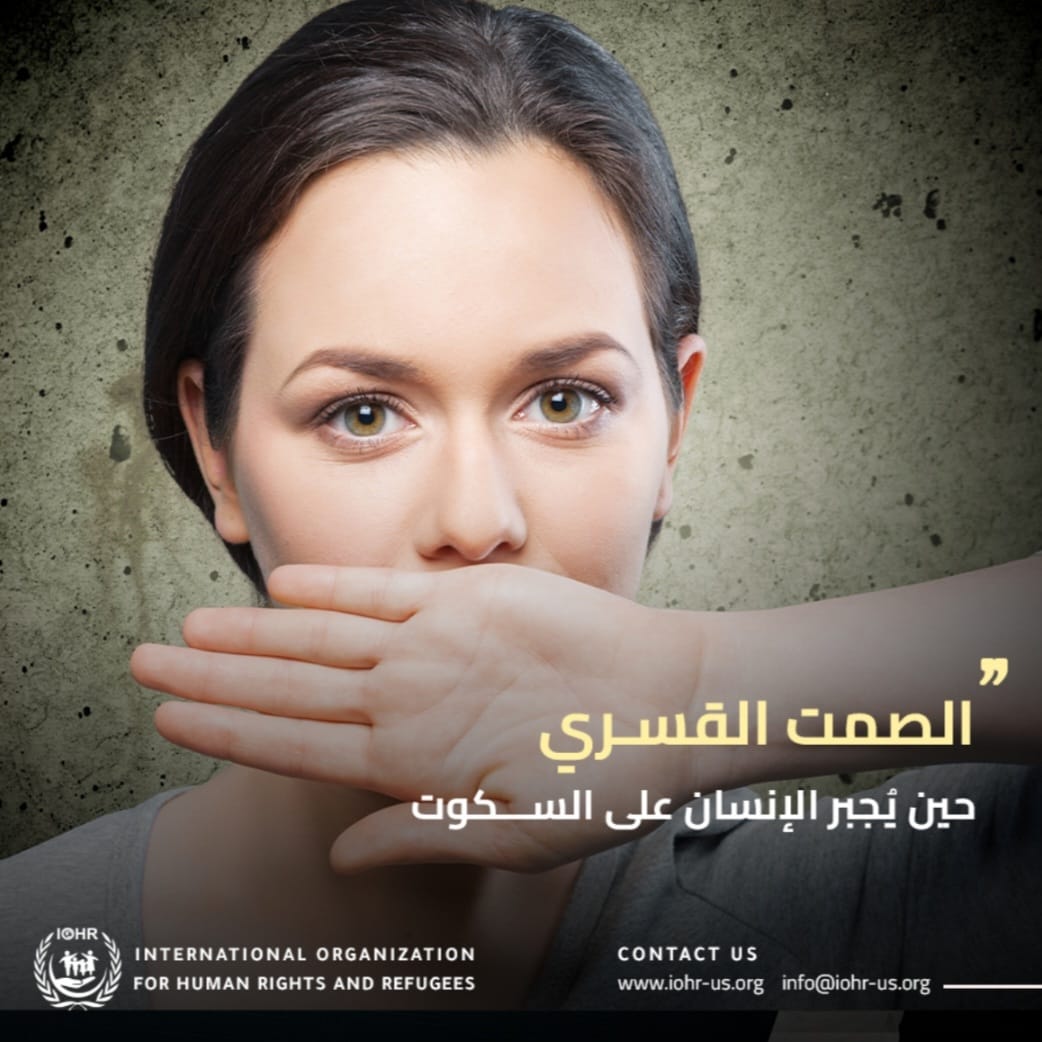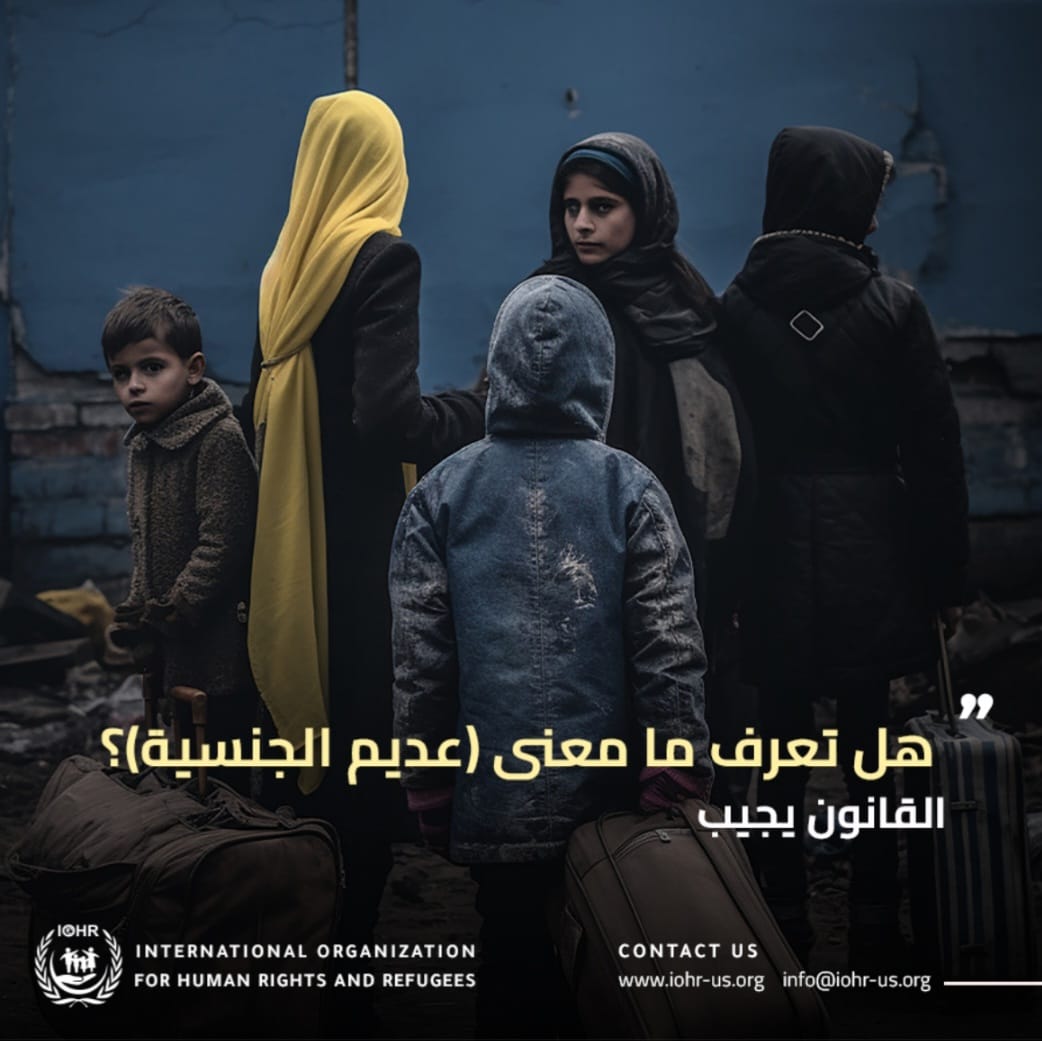
the language of numbers and indicators, attention is often drawn to currency depreciation, rising inflation rates, and budget deficits. Yet behind these dry statistics lies a silent hemorrhage that stock market screens fail to capture—a wound that strikes at the very essence of human existence, reshaping the concept of survival at the expense of human dignity and rights awareness.
The true threat of economic crises is not the bankruptcy of state treasuries, but the bankruptcy of human choices. Gradually, people cease to be individuals striving for justice and well-being and become biological beings searching for survival skills to shield themselves from the lashes of hunger.
The Erosion of Willpower Under the Weight of Deprivation
Economic crises begin by draining resources, but they quickly evolve into psychological earthquakes that shake an individual’s inner stability. When a parent can no longer afford medicine for a child or bread for the family, feelings of helplessness and oppression emerge, disrupting their moral and emotional framework.
This continuous psychological pressure pushes individuals into a “survival mode,” where rational and long-term thinking shrinks in favor of immediate needs. In an environment saturated with anxiety and emotional numbness caused by fear of the unknown, people become more vulnerable to intellectual and psychological manipulation. Resisting injustice or holding firmly to principles becomes a luxury many can no longer afford.
Hidden Exploitation: When Rights Become a Luxury
Economic crises create fertile ground for professional and social exploitation. In a suffocating labor market where unemployment is widespread and opportunities are scarce, the balance of power shifts entirely toward those who possess influence and capital. As a result, individuals often surrender, driven by the instinct to survive:
Accepting modern-day exploitation: Giving up fair wages, working excessive hours without compensation, and enduring degrading conditions lacking even the most basic safety standards.
Abandoning legal protections: Sacrificing formal employment contracts, health insurance, and leave entitlements in exchange for securing daily sustenance.
Remaining silent in the face of abuse: Enduring blackmail, bullying, and even harassment in the workplace for fear of losing the only source of income.
At this stage, rights awareness is not absent—it is forcibly suspended by the victim’s circumstances. The choice is no longer between dignified and undignified work, but between survival and extinction.
From Individual Violations to Social Disintegration
When dignity becomes a daily sacrifice for survival, the entire social fabric begins to deteriorate. Crime increases, emotional and digital blackmail flourish, and human relationships are reduced to purely transactional exchanges.
More dangerously, a generation may emerge that views surrendering rights as intelligence and submission as wisdom. This lays the foundation for fragile societies that are easily manipulated by deceptive trends and false economic promises.
Human Rights Conclusion
The International Organization for Human Rights and Refugee Affairs (IOHR) sounds the alarm over this silent erosion of human dignity. Protecting human dignity during times of economic crisis is not a secondary demand—it is the cornerstone of preventing societies from descending into digital and legal jungles where the vulnerable are crushed.
Governments and international organizations must recognize that providing a minimum level of economic security is the first line of defense for human rights, and that starving populations is the fastest path to destroying their dignity.
Arm yourself with awareness and know your rights—because dignity is a red line that no crisis should ever erase.